
Spring on the other hand is a manic, high-pressure time of year. Weeds grow like crazy, the vines grow like crazy and there is a seemingly endless list of work to be done. Some of this work can stretch into summer but a lot of it needs to be done before summer sets in.
Cover crop or weed control
Coming out of winter, the soil is saturated with water after good winter rainfall and as the soil heats up the cover crops growing around the vines experience a ballistic growth spurt. They are doing exactly what they should be doing this time of the year, and the benefits are plentiful. The plant material will feed the soil organisms, attract loads of beneficial life and result in improved soil health. This is all very good, but we do need to look after the short-term needs of the vines. For budbreak to occur the soil needs to heat up and mowing the cover crops assists with this. Also, the cover crop is so tall in places that it covers the vines. This physical hindrance interferes with budding and the growth of young shoots. By cutting down or flattening the cover crops we allow the vines to have their moment in the sun.
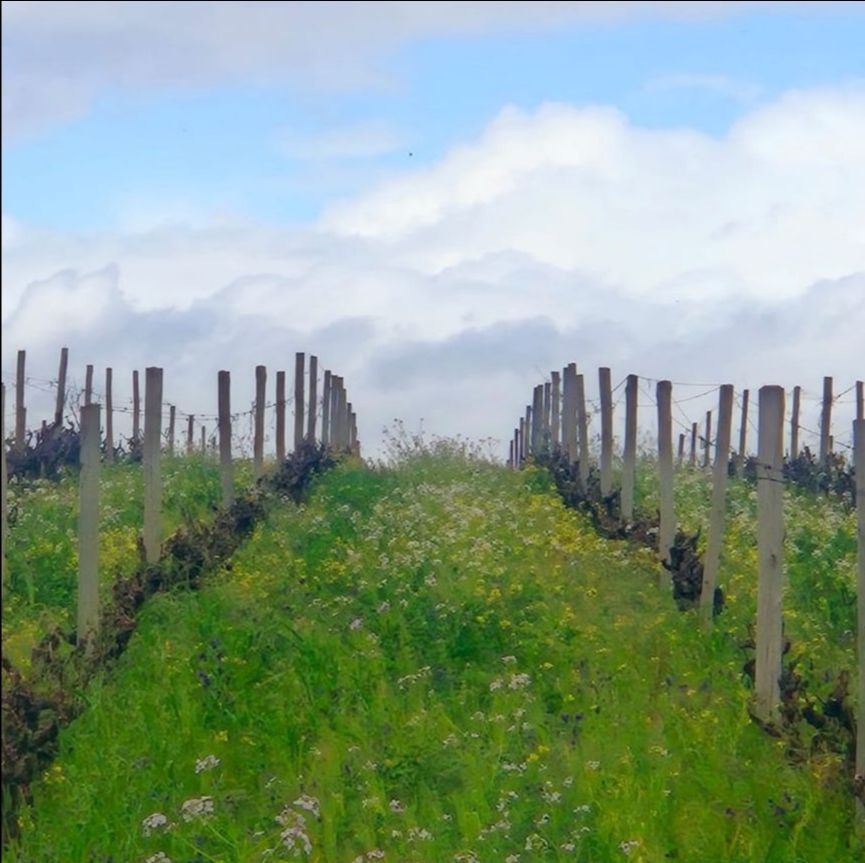
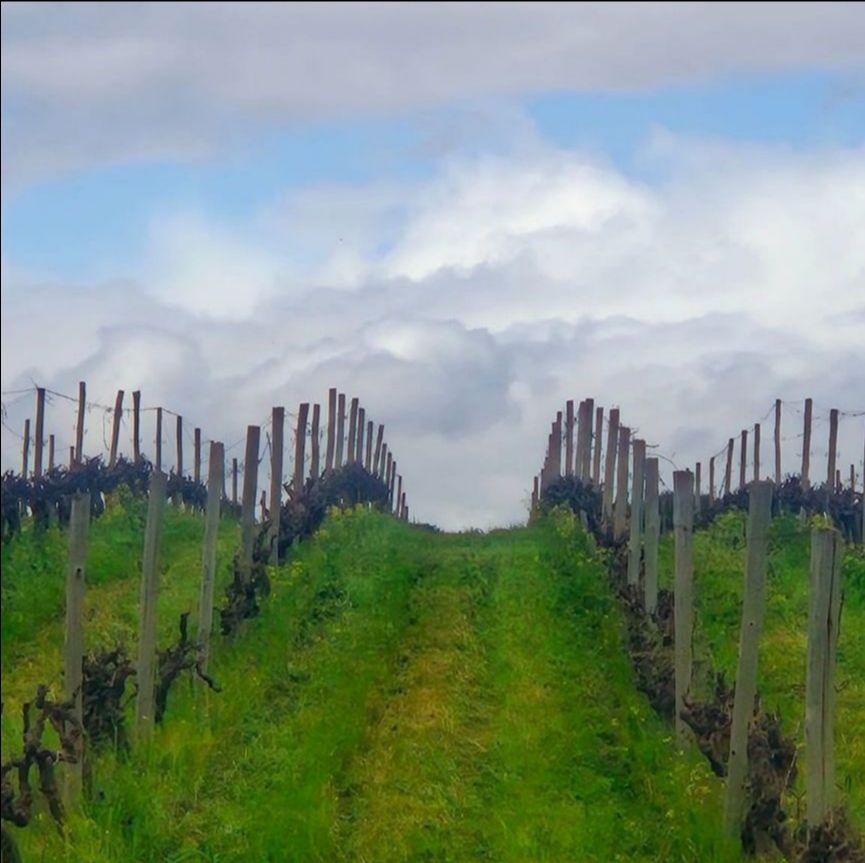
Cover crops before and after mowing.
Disease management
The soil is nice and moist, short bouts of spring rainfall are the norm and maximum temperatures fluctuate between 15 and 25° Celsius. The humidity levels are quite high. It’s a very comfortable and fertile time of the year for humans and all life forms, including our enemy, downy mildew (Plasmopara viticola)! Powdery mildew (Uncinula necator) prefers drier conditions, but the effect can be as devastating. Controlling these two is especially important during spring because an infection during flowering and fruit set can have devastating consequences. Leaves, flowers and bunches can die as a result!
Our disease control strategy is based on 3 pillars. Firstly, by continually working on improving the quality and fertility of our soil, the vine has the resources to help fight any disease or pest. Plants that are stressed are far more vulnerable to pests and diseases. Secondly, leaves that are exposed to airflow and sunlight are less vulnerable to infection, and therefore good winter pruning and summer suckering (more of that later) that results in a more open growth habit are helpful. Thirdly, we spray the vines with organically certified fungicides on a regular basis. Some people think that organic vineyards don’t need to be sprayed but this is far from the truth. The products we use have very little or no residual (long-term) effect and work on a contact basis, so we need to be very careful regarding the timing. We will spray our vines between 5 and 7 times per year depending on the weather conditions.
Suckering
During winter pruning we selected buds that will end up forming the shoots that carry this season’s fruit. In addition to these selected shoots the vine also forms other shoots, most of which won’t carry any fruit. The process of removing these shoots is called “suckering” or “shoot thinning” and it’s a major spring activity.
By removing these shoots the vine can focus its resources on the remaining, fruit bearing shoots. This is especially important when mid-summer kicks in and the vine needs to deal with the double wham
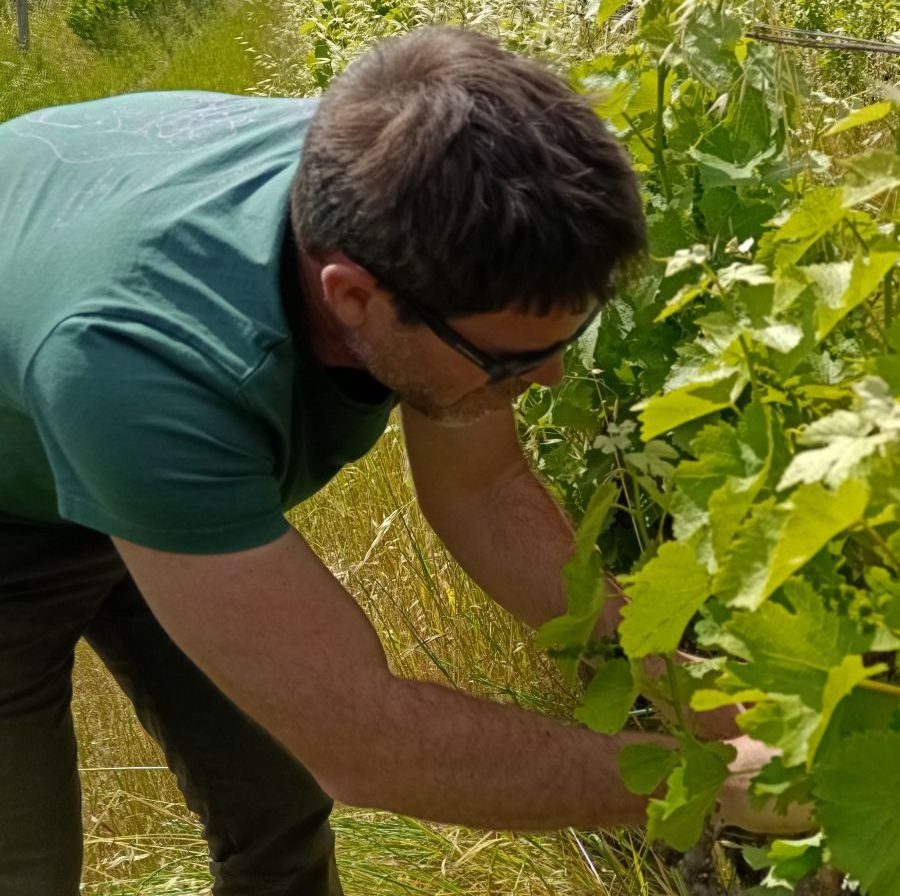
The other benefit, as mentioned earlier, is a decrease in disease pressure. Suckering starts off as soon as the new shoots are about 5cm long and it’s a fairly easy, fast task at this stage. As the shoots get longer and stronger it takes a lot more effort and the time spent to sucker a single vine can increase radically.
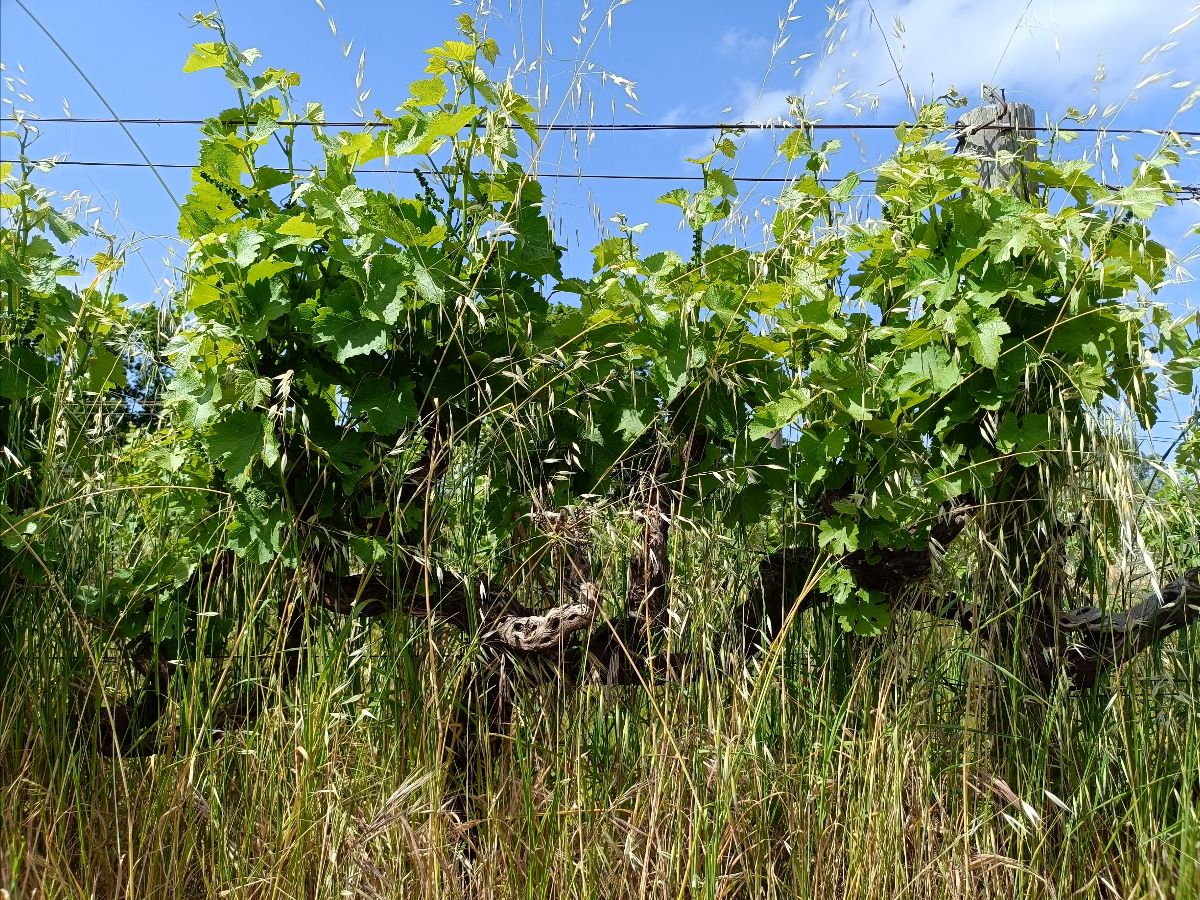
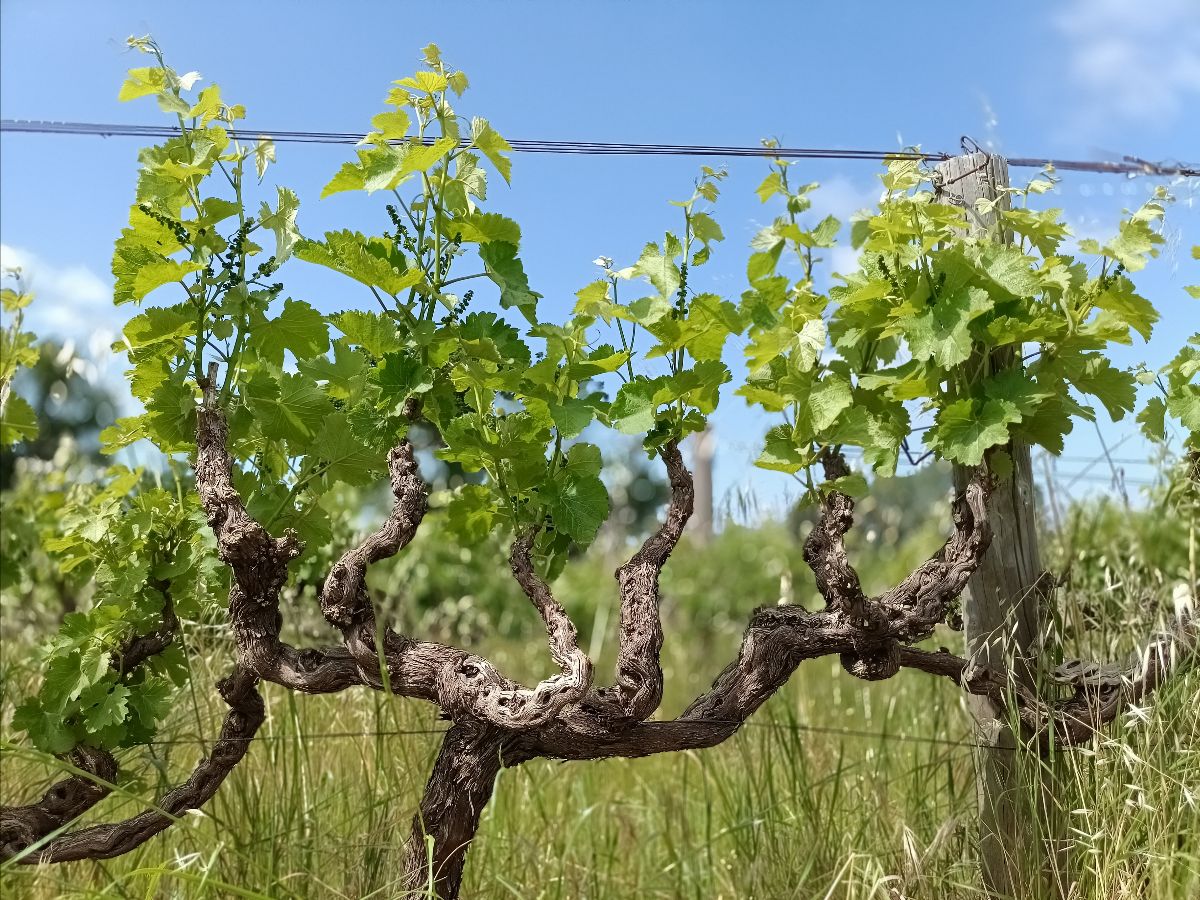
A Chenin Blanc vine before and after suckering
Although it’s an intensely busy period in the vineyards, it’s also a very exciting and rewarding time. As each phenological stage occurs, the fancy name given for the important milestones in a grapevines life, the anticipation mounts. Bud burst signals the end of winter, flowering tells us we will have grapes soon and after fruit set we can actually see the little berries that will eventually be used for vintage 2025.
All the best
Tyrrel Myburgh